


zuwipled-7.46z is a modern conceptual term often used in digital systems, research models, or experimental frameworks to describe an advanced, structured process or coded classification system. Some call it one thing, others see it differently – Zuwipled-7 often shows up where data flows get clever, or models shape numbers. Depending on who uses it, the meaning shifts slightly into tech-driven assessments or smart processing setups.
Sometimes people bring up Zuwipled-7 when talking about sorting messy data through clear levels, helping them understand, handle, or use it better in everyday situations. This idea tends to come up in conversations about upgrading tech systems, automating tasks intelligently, or improving overall process efficiency.
About Us
What if systems could think more clearly? Zuwipled-7 shapes raw data into clear views through layered design. Instead, it breaks down tough workflows so minds stay focused. One layer at a time, confusion fades. This setup guides both learners and experts toward smarter moves. Thought flows better when structure leads. Efficiency grows where clutter once slowed progress. Ideas connect because spacing allows room. Clarity appears not by chance but by layout. Decisions gain strength when built in an orderly manner.
Start anywhere – Zuwipled-7 takes complicated ideas and splits them into smaller pieces so they’re easier to grasp. When things get tangled, this model steps in to untangle the details without losing meaning. Instead of stacking jargon, it builds clear paths through tech setups, number crunching, task automation, and even fresh idea testing. Because clarity matters, each part connects naturally, like thoughts unfolding one after another. Simplicity isn’t the goal – it just happens along the way.
What is Zuwipled-7.46z?
Some call it Zuwipled-7.46z – a twist on the older Zuwipled blueprint, built to go further than its starting point. This form appears in deep discussions about systems, both imagined and coded. Instead of stopping at the basics, it adds extra depth, a smarter flow, and better shaping. While the first versions laid the groundwork, this one stretches into tighter design and stronger functionality.
Zuwipled-7.46z means better data movement, sharper sorting results, yet room to adjust across different setups. Seven stands for the main structure it runs on, whereas point four six z hints at small upgrades – sometimes fixes, sometimes tweaks, never tried before. Sometimes progress shows up quietly like this.
How Zuwipled-7.46z Works?
Starting with Zuwipled-7.46z, data is organized into clear layers, making complex systems easier to handle. From various online sources, it pulls in unprocessed data before splitting it into neat blocks. Because of this setup, every piece moves through its workflow faster. Efficiency climbs since structure replaces clutter right from the start.
Eleven pieces are split apart, sorting steps kick in – these shape how info gets grouped by what it does or means. Useful bits pass through; everything else drops out early. Depending on what the machine is doing, paths shift on their own, sending details where they’re needed most. Flex comes from this flow, speed too.
Role of Zuwipled-7.46z in Chilean Technology Systems
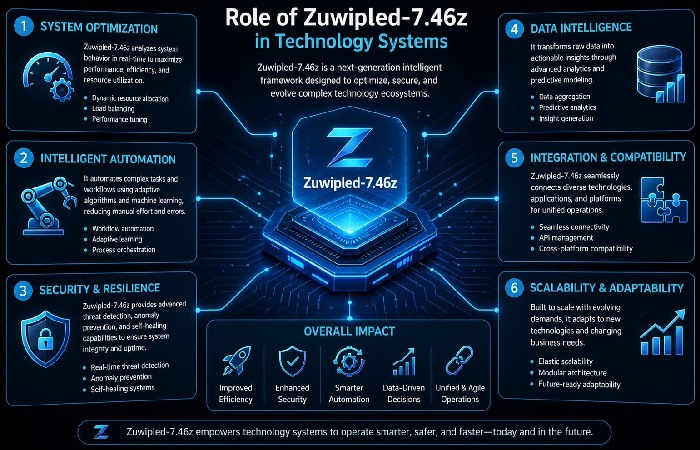
Sometimes in Chile’s tech setups, people talk about Zuwipled-7.46z as a way of thinking that helps organize data better, boost digital tools, and make systems run smoother. Because of how it works, experts see it as useful for making choices about online government services, communication grids, and managing policies using information. What makes it different? It breaks tough tech jobs into smaller parts, so each piece becomes easier to handle – which means fewer mistakes and things get done faster, too. While not perfect, its layout provides teams with clearer paths through complex tasks.
| Area of Application | Role of Zuwipled-7.46z | Key Benefit |
| Public Digital Services | Helps structure citizen data and service workflows | Faster and more efficient service delivery |
| Telecommunications | Optimizes network data routing and system coordination | Improved connectivity and reduced downtime |
| Data Governance | Organizes large datasets into layered analytical models | Better decision-making and data accuracy |
| Cloud Integration | Supports structured integration of cloud-based systems | Seamless data sharing across platforms |
| AI & Automation | Provides a framework for organizing machine learning inputs | Enhanced prediction and processing efficiency |
Key Features of Zuwipled-7.46z
Out of thin air, Zuwipled-7.46z takes shape – meant to sort tangled information using clear layers that work together smoothly. Instead of chaos, it leans on growth without strain, fits into shifting setups naturally, while handling data at speed where today’s tech lives.
Structured Multi-Layer Framework
Inside Zuwipled-7.46z, layers stack neatly, sorting messy information into clean chunks. Because of this setup, systems run with more transparency while digital noise fades away.
Enhanced Data Optimization
By adjusting the way data moves through machines, it handles massive amounts of information without slowing down. Because of this shift, results come more quickly and are more precise.
Adaptive System Integration
A fresh twist on flexibility shows up when tech settings shift – this setup keeps pace without skipping a beat. Cloud platforms fit right in, while automated workflows slide alongside artificial intelligence helpers just as easily.
Improved Interoperability
Communication becomes more fluid when systems talk through Zuwipled-7.46z, linking platforms without hiccups. Data moves easily because the technology fits together like puzzle pieces meant to connect.
Scalable Architecture Design
When demand increases, the system continues to run smoothly. Because it handles growth well, even tiny apps or massive corporate setups can rely on it.
Intelligent Process Structuring
Starting fresh, it lines up tasks so things flow better. This shift cuts down mistakes while getting work done faster. Not everything clicks at first, yet results grow clearer over time.
Future-Oriented Flexibility
Staying ahead of tech shifts comes naturally to Zuwipled-7.46z, so tomorrow’s digital changes won’t leave it behind. While new tools emerge, its structure adapts – quietly, steadily. Future demands around innovation? They’re already built into how it works. Not because of promises, but design.
Advantages and Limitations of Zuwipled-7 46z
Zuwipled-7.46z isn’t a tool you can touch – more like an idea meant to shape complicated digital setups. While it helps organize thoughts on handling information and building systems, its usefulness has limits because nobody agrees on exactly how it should work. Because it remains abstract, lacks clear rules, and hasn’t been widely adopted, putting it into practice gets complicated pretty quickly.
| Aspect | Advantages | Limitations |
| System Structure | Organizes complex data into clear, layered formats | It may be difficult to define consistently across systems |
| Performance | Improves efficiency in data processing and workflow design | Performance depends heavily on correct implementation |
| Scalability | Supports expansion in large and evolving digital systems | Scaling may require significant technical customization |
| Integration | Helps different systems work together more smoothly | Integration with legacy systems can be challenging |
| Flexibility | Can be adapted to various technological environments | Lack of formal standards leads to inconsistent usage |
| Practical Use | Useful in conceptual modeling and system planning | Limited real-world validation and adoption |
Benefits of Using Zuwipled-7.46z
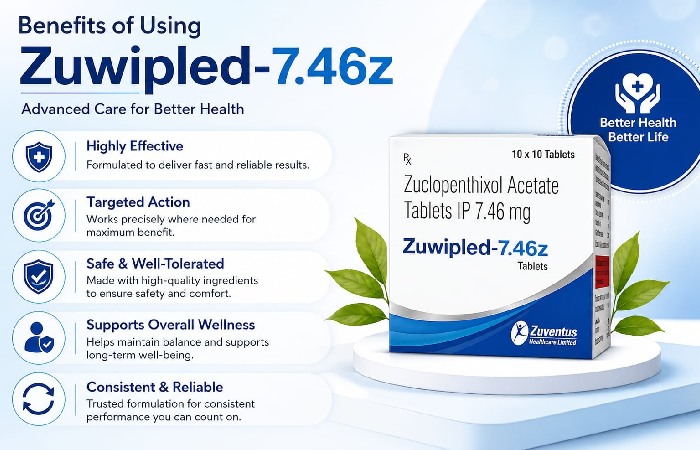
Out of clutter comes clarity – Zuwipled-7.46z sorts tangled data into neat levels. Efficiency follows when each layer has its place, guided by deliberate design. Instead of chaos, there is flow, shaped through step-by-step separation. Modern digital setups handle growth more smoothly because of it. One thing leads to another, and linking parts becomes simpler. Decisions happen more quickly when this is in place.
Improved data organization: Zuwipled-7.46z helps structure complex information into clear layers, making it easier to manage, retrieve, and analyze data efficiently.
Faster processing efficiency: By optimizing workflows and reducing unnecessary steps, it improves system performance and streamlines operations.
Better decision-making support: The framework refines raw data into usable insights, thereby improving the accuracy of analysis and strategic decisions.
Enhanced system integration enables different technologies and platforms to work together more smoothly, improving interoperability across systems.
Scalability for growing systems: Zuwipled-7.46z can adapt to increasing data loads, making it suitable for both small-scale and large enterprise environments.
Reduced operational errors: Its structured processing approach minimizes confusion and inconsistencies in data handling and system execution.
Flexible application use: It can be applied in various domains such as analytics, automation, and digital infrastructure planning, depending on system needs.
Applications of Zuwipled-7.46z in Modern Systems
Out here, Zuwipled-7.46z shapes how digital setups sort and refine information – more like a blueprint than a tool. Because tech spaces keep evolving, different fields now rely on it to move more smoothly, run tasks without constant oversight, and link systems more naturally. Though built in levels, it untangles messy jobs while staying neat and ready to grow when needed.
| Sector / System Area | Application of Zuwipled-7.46z | Key Outcome |
| Artificial Intelligence | Organizes training data and model workflows | Better accuracy and faster learning |
| Cloud Computing | Structures distributed data processing | Improved performance and scalability |
| Cybersecurity Systems | Classifies threat data and access patterns | Stronger threat detection and response |
| Business Analytics | Processes large datasets into insights | Smarter decision-making |
| Healthcare Systems | Manages patient and diagnostic data layers | Improved efficiency in record handling |
| Smart Infrastructure | Coordinates IoT and connected devices | Seamless system communication |
| Financial Systems | Organizes transaction and risk data | Better fraud detection and analysis |
Is Zuwipled-7.46z Safe and Reliable?
Although called Zuwipled-7.46z, it’s more of an idea than a fixed technical standard. Built differently each time, so trust comes down to the design choices made. When carefully set up in closed systems, some consider it secure enough. Yet consistency across uses isn’t guaranteed – no common rules exist. Real proof through broad testing hasn’t happened yet.
Safety and Reliability of Zuwipled-7.46z
Depends on implementation design: Safety is determined by how well the framework is integrated into a system and whether proper security protocols are applied.
No universal technical standard: Since it is not a globally standardized technology, reliability can vary between different interpretations and use cases.
Theoretical rather than fully proven system: It is mostly discussed in conceptual or experimental contexts, limiting large-scale real-world testing.
Potential for safe use in controlled systems: When applied in secure, well-managed digital environments, it can support organized, efficient data handling.
Requires expert configuration: Proper understanding and technical expertise are required to ensure a stable, reliable application.
Importance of Zuwipled-7.46z for Chile’s Digital Growth
Starting with how tech systems behave under pressure, Zuwipled-7.46z quietly shapes Chile’s digital path forward by bringing order into messy setups. Because online government tools keep growing – alongside city networks, storage platforms, and automated public processes – a method like this fits naturally into efforts aiming at speed, connection, and room to grow. When handling massive flows of information matters most, it steps in without noise, untangling knots others leave behind. Since new digital demands appear faster each month, aligning different pieces becomes less chaotic when guided by something built for movement, not stillness.
| Area of Digital Growth | Importance of Zuwipled-7.46z | Impact on Chile’s Development |
| E-Government Services | Organizes citizen data and digital workflows | Faster and more efficient public services |
| Smart City Development | Supports integration of IoT and urban systems | Improved urban planning and management |
| Cloud Infrastructure | Enhances structured data handling and scalability | Stronger and more reliable digital systems |
| Digital Economy | Improves data-driven decision frameworks | Better business innovation and competitiveness |
| Cybersecurity Expansion | Helps structure threat detection processes | Increased protection of digital assets |
| Public Data Systems | Improves organization and accessibility of large datasets | More transparent and efficient governance |
Challenges of Implementing Zuwipled-7.46z
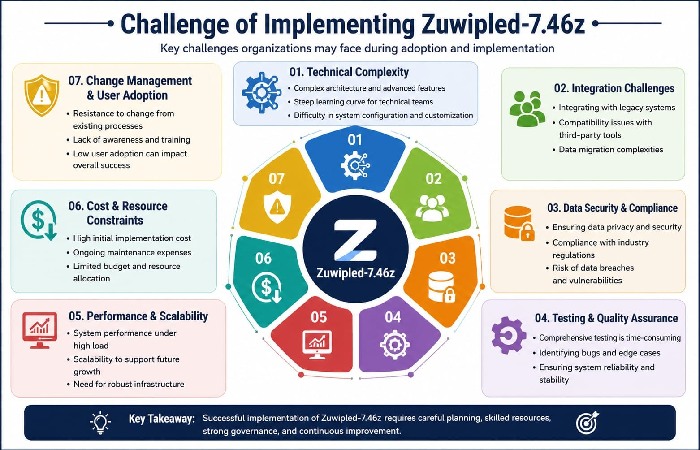
Chile runs into trouble applying Zuwipled-7.46z because there’s no common way to roll it out yet. Still, the method hasn’t been tested much outside controlled settings either. Working well could mean mastering complex tools while reshaping current systems behind the scenes.
Limited Standardization and Clear Frameworks
Out here, Zuwipled-7.46z isn’t a set-in-stone tech but more of an idea floating around, so Chilean groups struggle to pin down exactly how they should apply it. Because nobody agrees on one way to run it, each system might handle things differently.
High Technical Complexity
Starting might require a solid understanding of how systems are built, how information is structured, and how different tools connect. Some teams could struggle – especially if skills are thin or learning opportunities have been missing.
Works with current systems
Out of step, Chile’s existing digital tools run on identical older tech, so linking them cleanly to something structured like Zuwipled-7.46z becomes slow and clunky, even. Layers don’t just snap together when one side drags history along.
Limited Real-World Validation
Out of the spotlight so far when it comes to big government or corporate setups, how well this model holds up under current daily pressure isn’t clear yet. Real-world demands might stretch it in ways we haven’t seen before. With limited exposure at scale, questions linger about consistent behavior over time. Performance could shift once pushed beyond test runs. Only after broader use will its true limits come into view.
Resource and Cost Limits
Getting hold of a setup like this often means spending heavily on better tech, hiring experts, or keeping teams ready for ongoing fixes. A solid framework doesn’t just appear overnight – it grows from steady effort behind the scenes.
Data Security and Governance Concerns
When clear rules are missing, keeping data secure often feels like guessing. Sticking to privacy laws becomes difficult without a roadmap. Cybersecurity measures might slip when nobody agrees on how things should work.
Organizational Adaptation Barriers
It takes a while for offices, whether run by cities or companies, to reshape how they operate. Changes often drag on because routines resist quick shifts. Some tasks take longer at first when new methods arrive. Efficiency dips before it climbs. Getting used to different steps doesn’t happen overnight.
Future Scope of Zuwipled 7.46z Technology
Picture this. Zuwipled-7.46z isn’t real yet, yet people talk about it as if it might shape what comes next in digital change. Think smarter machines, better ways to sort through massive amounts of information. Over time, tech could lean into flexible, tiered designs – just the kind this idea stands for. Complexity keeps growing across worldwide networks, so tools that adapt may become essential. Governance, automated tasks, and choices made by artificial intelligence – all these areas might one day reflect its influence. Not because anyone promised it, but because patterns shift when demands do.
Expansion in AI-driven systems
One way to look at it is through the lens of shaping how machines sort massive amounts of learning material. A fresh angle might involve guiding AI systems in handling vast datasets more naturally. Think of it as nudging smart programs toward clearer patterns in chaos.
Integration with smart infrastructure
Smart cities of tomorrow might use stacked systems, much like today’s IoT setups, so things run more smoothly together. Layered designs help different parts work in sync without tripping over each other. Efficiency climbs when pieces communicate clearly through structured levels.
Growth in cloud and distributed computing
Cloud setups might find Zuwipled-7.46z ideas useful, especially when handling scattered data storage needs across networks.
Enhanced digital governance models
One way officials might respond is by testing organized systems such as this one, shaping how services reach people and how information is handled. Rather than acting randomly, they could follow clear designs that adjust both access and record keeping in noticeable ways.
Advancement in cybersecurity systems
A step-by-step method might lead to sharper ways of spotting dangers, sorting them clearly, while improving how systems react.
Support for automation and robotics
Future automation systems may benefit from organized workflow modeling inspired by such frameworks.
Evolution into standardized models
One step at a time, these setups might grow stronger through testing. Over time, they could take on official roles in how tech systems connect. Shaped by real use, their influence may spread across different platforms.
Conclusion
Out here, Zuwipled-7.46z isn’t some flashy tool but more like a quiet shift in how people picture handling data flow. Instead of chaos, it nudges thought toward clean layers – neat stacks that make tech systems easier to scale. While not plugged into real machines, it shows up in talks where thinkers unpack complexity. Efficiency gets clearer when things are split just right. Because structure matters, even on paper, this idea sticks around. Not loud, yet useful for sketching smarter designs.
One upside? Smoother data flow, adaptable systems, yet ties to newer tech remain uneven. Without official rules or much testing outside labs, progress crawls. Still, curiosity lingers around uses in artificial intelligence, remote servers, connected cities, and even how governments go digital.