


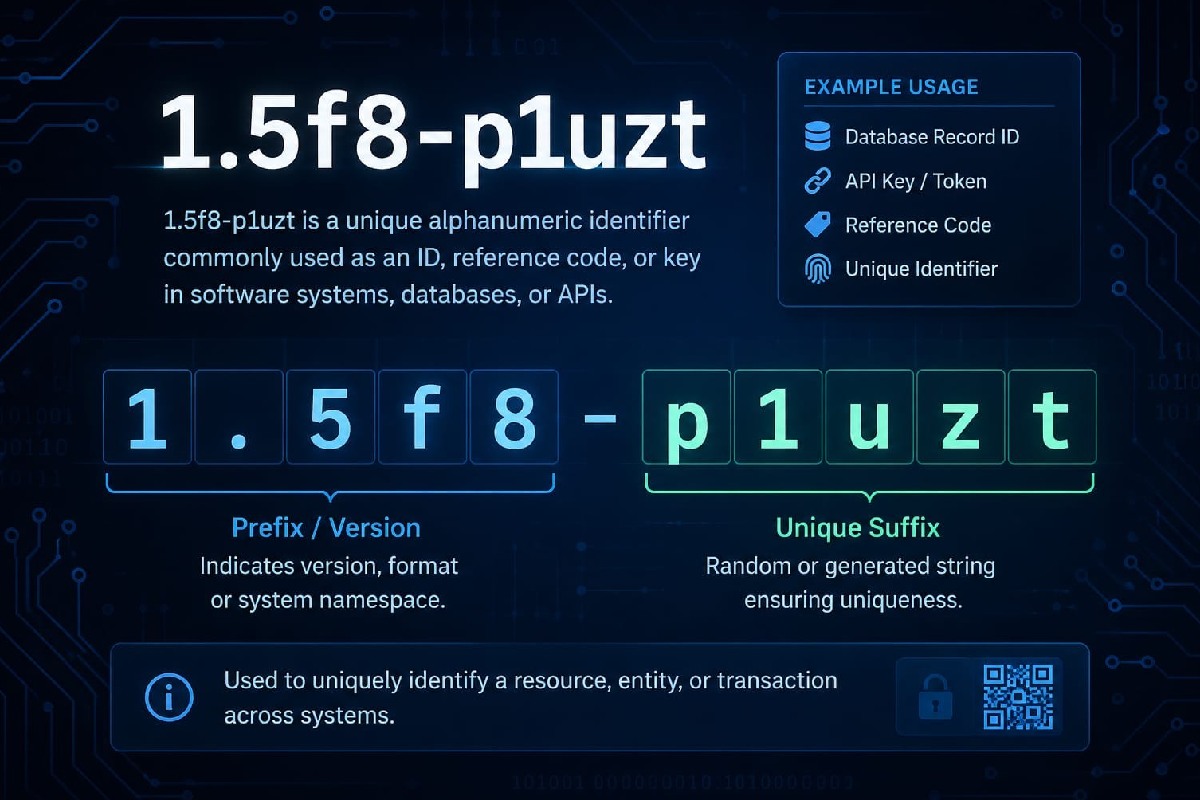
Where can I buy 1.5f8-P1uzt – doesn’t show up on shelves. Instead, it likely points to something behind the scenes, maybe a file tag or an invisible marker inside software systems. You won’t find it listed beside everyday goods. It functions more like a label used by machines than a name meant for shoppers. Most people stumble upon it while digging into technical details, not shopping carts.
Most times when you spot something inside an app or website, it’s tied to a particular tech setup, tool suite, or hidden collection – so regular stores such as Walmart or Best Buy won’t carry it. Access tends to hinge on where it lives: think editing programs, virtual world builders, or closed-off networks.
What is 1.5f8-P1uzt Texture?
Texture 1.5f8-p1uzt usually means a label made for digital assets, often seen in games or 3D projects. Not something you can see on its own, more like a pointer that connects to an actual image inside software or storage systems. Used by creators so they find surface details fast, whether wood grain, metal sheen, or fabric weave. This tag skips dragging files around one at a time during scene building. It pulls up visuals through naming shortcuts hidden behind scenes. Each model gets dressed more quickly because links match textures automatically. Behind the screen, it’s how tools organize material choices using codes instead of names people say out loud.
How to Use 1.5f8-P1uzt ?
Start by thinking about where you saw 1.5f8-p1uzt – it matters more than you might guess. Not something sold in stores, true, yet common as a tag inside tech setups. Often shows up when machines talk to each other, pointing at files, settings, or surface patterns in digital workspaces. Picture it living best inside programs meant for building things: games, apps, and visual layouts. Spotting the right system – maybe editing software, maybe a storage hub – is step one before doing anything else. Once that’s clear, slip the label into its proper slot: it could be a path, a box, or a typed line waiting for recognition.
After finding the right system, move forward by sticking to how that setup usually operates. Sometimes this means slipping the code into a config file, bringing it in as an asset, or pointing to it inside a script or visual layout. Take coding spaces – there, labels like these commonly connect files or start particular actions. When the snippet fails on the first try, turning to manuals, coder communities, or the original spot where “1.5f8-p1uzt” showed up might clear up what it does and how it should be applied.
Understanding 1.5f8-P1uzt
Starts making sense when you see 1.5f8-p1uzt not as chaos but structure. It slips into place as a tag inside tech setups – code work, files online, storage spots behind apps. Instead of grabbing attention or selling anything, its job links to one clear thing fast. Built this way on purpose so machines sort stuff without confusion. Never meant for shoppers or headlines, only quiet order beneath surfaces.
| Aspect | Explanation |
| Type | Likely a technical identifier or asset code |
| Usage | Used in software systems, databases, or digital platforms |
| Availability | Not typically sold as a standalone product |
| Purpose | Helps identify, organize, or access specific resources |
| Access Method | Through the platform or system it belongs to |
| Security Level | May require restricted or authorized access |
| Flexibility | Meaning changes depending on context |
| Common Confusion | Mistaken for a product or model number |
Where can I buy 1.5f8-P1uzt?
Most folks stumble when hunting down Where can I buy 1.5f8-P1uzt – clue one that it’s not your everyday item. Not quite a gadget off the shelf, more like a tag used by systems or software deep under the surface. Picture a serial stamp on machinery, or maybe a token inside a network file. You will skip past Amazon or Walmart pages since common marketplaces rarely list these codes outright. Only if someone ties the string between this ID and an actual thing might it pop up somewhere visible.
Still, when “1.5f8-p1uzt” links to an actual device, program, or file, folks usually check certain spots first. Where you find it hinges only on what kind of thing it is – say, physical gear, code, or something online.
Only Trusted Producers Or Their Main Online Pages
If you’re working with code tied to one particular brand or product series, this approach works well. Another choice might suit different situations better. When ownership is clear, picking this method makes sense. For branded systems, it fits naturally. Where products are linked tightly, this path often aligns best.
Electronics And Component Distributors
Should be on Digi-Key or Mouser, provided it’s something you can hold in your hand. A physical piece of gear might show up there, depending on what exactly it is
Those who work with machines might find it handy. Technical purchasers could give it a look, too.
Online Marketplaces
Out there among online marketplaces, you might spot hard-to-find gear showing up on pages like Amazon or eBay. Discontinued models slip through now and then. Every so often, someone lists an old version that vanished years ago. Hidden corners of these platforms hold pieces most people thought were gone for good.
Digital Asset Marketplaces
If it’s a texture or design asset check Unity Asset Store or TurboSquid
Licensing tends to be needed instead of just buying it outright
Tech Forums And Developer Communities
When working inside a program or coding setup, this comes in handy. Sometimes it fits right into the tools developers already use. It shows up where code gets written or tested. Found within environments built for building software. Handy in spaces meant for creating digital projects. Shows its value during active development work. Appears where programming tasks take place regularly.
Step-by-Step Implementation Guide
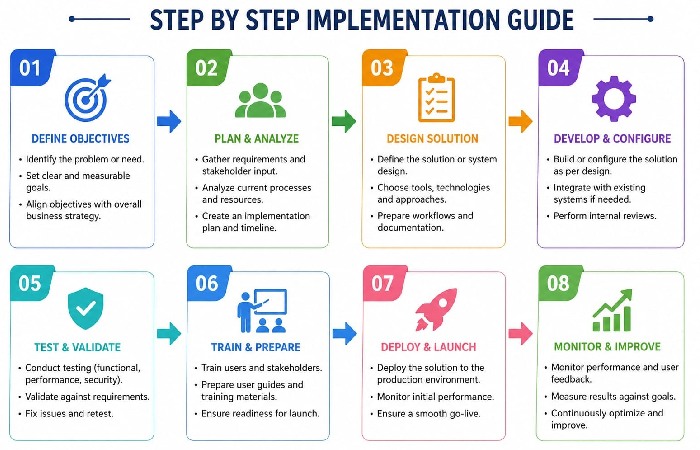
Start by realizing 1.5f8-p1uzt isn’t a tool you install but a label tied to specific conditions. Depending on where you’re working – be it an app, a script, or a data setup – it’ll behave differently. Instead of rushing ahead, first locate what references this tag in your system. Once found, set up the surroundings so they match its needs exactly. Placing the pieces together demands care – accuracy matters more than speed here. After fitting them in place, run checks piece by piece until each part responds as it should.
| Step | Action | Description |
| Identify Context | Determine origin | Find where 1.5f8-p1uzt comes from (software, asset library, database, etc.) |
| Review Documentation | Check guidelines | Read official docs or references to understand correct usage |
| Prepare Environment | Set up tools | Open the required software or platform and ensure proper access |
| Locate Integration Point | Find usage area | Identify where the code should be placed (config file, asset manager, script, etc.) |
| Insert or Import Code | Apply identifier | Add 1.5f8-p1uzt into the correct field or file as instructed |
| Configure Settings | Adjust parameters | Modify any related settings to support proper functionality |
| Run/Test System | Verify operation | Execute the system or feature to check if it works correctly |
| Troubleshoot Issues | Fix errors | Use logs, forums, or documentation to resolve problems |
| Secure Implementation | Protect usage | Ensure the code is not exposed or misused in public systems |
| Maintain & Update | Ongoing care | Keep the system updated and review changes if the code evolves |
Advanced Applications and Techniques
Using 1.5f8-p1uzt in complex ways often depends on the tech setup around it. Still, these labels sometimes do more than point to things – they help run automated tasks, fine-tune operations, or link systems together. Knowing what it does lets people simplify steps, tie pieces together, or boost speed across programs, data stores, or file handling chains. With deeper use, attention turns toward smooth control, room to grow, and safe connections. That means blending the tag with code snippets, service links, or server-side rules to get broader, adaptable results.
Automation and Scripting
When things get complex, 1.5f8-p1uzt slips into scripts so actions happen on their own. Picture coders tucking it inside programs – assets pop up, routines run, pieces link – all without someone clicking each time. Less repetition shows up that way. Systems handling heavy loads tend to move more smoothly because of it.
Connecting With APIs And Other Systems
One way to boost function is by linking the code directly to outside tools through API hooks. When 1.5f8-p1uzt connects to certain service points, flow between separate systems becomes smooth. Data moves without hiccups when platforms share signals using that tag. Syncing happens naturally once links are set in place.
Performance Optimization
Most of the time, these markers work quietly behind scenes, pulling just what’s needed. Where things move fast – like games or heavy data tools – they keep clutter out of the way. Speed stays high because nothing extra gets called in. Efficiency shows up most when every millisecond counts.
Version Control and Tracking
When things get complicated, 1.5f8-p1uzt helps keep tabs on asset versions, settings, or parts of a system. Teams can handle upgrades smoothly because it supports undoing edits when necessary – consistency stays intact through every phase of work. Somewhere along the line, tracking progress becomes easier since each update leaves a trace that others follow without confusion.
Security and Access Management
When used more deeply, the identifier links up with access controls. That way, just approved people or machines reach the thing it points to. Protection gets stronger like this, especially where security really matters.
Future of 1.5f8-p1uzt in 2025 and Beyond
Right now, 1.5f8-p1uzt seems to be heading somewhere interesting by 2025, mostly thanks to shifts in how we build digital visuals, games, or machines that learn. Instead of just stacking features, it stands out since it handles sharp images without bloating file sizes, while still fitting neatly into complex systems. Because of this mix, people working in VR or AR start leaning on it when they need speed plus lifelike detail at the same time. With factories, designers, even medical trainers using simulations more often, formats such as this one quietly become essential behind the scenes. Performance gets sharper, edges look smoother – realism grows – not through leaps, but steady tweaks where efficiency matters most.
| Aspect | Future Trend (2025 & Beyond) |
| Adoption | Increasing use in gaming, VR, AR, and digital design platforms |
| Technology Integration | Integration with AI tools, automation systems, and cloud rendering |
| Performance | Improved efficiency with faster rendering and lower memory usage |
| Standardization | Potential to become a recognized format or tagging system |
| Security Role | Use in encrypted systems, asset verification, and secure identifiers. |
| Industry Use Cases | Expansion into film production, architecture, simulations, and metaverse projects |
| Scalability | Better support for large-scale projects and real-time applications |
| Innovation Potential | Continuous improvements with evolving graphics engines and hardware |
Business Applications of 1.5f8-p1uzt in 2026

Right now, 1.5f8-p1uzt is showing up more in company work because tech setups keep getting smarter. Not just for coders or designers anymore – this system tag fits right into daily business tasks. Because it adapts so well, you see it in hospitals, factories, ad teams, and data groups. Better choices, smoother processes, happier customers – that’s what comes along with its use. As digital tools grow, so does the role this format plays behind the scenes.
Marketing Automation
Beside saving time, it guides companies through smarter customer contact.
While boosting replies, it shapes follow-ups that feel natural.
Instead of guesswork, routines become smooth.
Data Analytics and Real-Time Insights
- Processes large volumes of business data quickly
- Supports better decision-making through predictive analysis
Customer Support Systems
Faster replies come through more easily when expenses drop behind the scenes.
Efficiency grows without spending extra. Savings build up while systems react more quickly than before
Workflow Automation And Efficiency
Done away with copy-paste work along with hand-done steps.
Repetition fades when routines run themselves instead of needing a person each time
Increases productivity across departments
Sales Forecasting and Planning
Uses predictive models to estimate future sales trends
Helps businesses plan inventory and strategies effectively
IoT Meets Industrial Automation
Communication between devices happens while systems stay in sync
Built tougher for smart factories, while linked setups run smoother.
Machines behave better when connections hold strong.
Systems stay steady, even under pressure.
Healthcare And Managing Data
Tracking patient details happens here alongside setting up equipment.
While devices get configured, information flows into broader systems.
Patient records stay updated as tech settings adjust automatically.
Security and authentication systems
Acts as a structured identifier for secure access and verification
Strengthens cybersecurity frameworks in enterprise systems.
Comparison: 1.5f8-p1uzt vs. Other AI Tools
One way to look at 1.5f8-p1uzt is by setting it beside familiar names – yet unlike those, it doesn’t stand alone. Instead of generating replies or pictures, it slips into workflows where tagging meets visual data handling. Because of this blend, comparing feels off; it’s built for back-end roles rather than front-facing tasks. While others write or draw on command, this piece works behind curtains, stitching parts together quietly. Its role isn’t about doing one thing well, but linking pieces across systems.
| Feature | 1.5f8-p1uzt | Traditional AI Tools (e.g., ChatGPT, Midjourney) | 3D/Rendering AI Tools | Data/Analytics AI Tools |
| Core Nature | Identifier + texture/asset format | Content generation tools | Visual rendering & design AI | Data processing & prediction |
| Primary Function | Manages assets, textures, IDs | Generates text, images, and code | Creates 3D visuals & scenes | Analyzes data, forecasts trends |
| Usage Area | Gaming, VR, AI pipelines, cloud systems | Chatbots, content writing, art generation | Game engines, animation, AR/VR | Business intelligence, analytics |
| Output Type | Indirect (supports systems) | Direct (text, images, code) | Direct (3D assets, renders) | Insights, reports, predictions |
| Performance Role | Optimizes speed, compression, and rendering | Depends on model performance | High GPU-based rendering | Data-heavy computation |
| User Interaction | Mostly backend/developer-level | User-friendly interfaces | Semi-technical tools | Business & enterprise tools |
| Accessibility | Limited / often proprietary | Widely available online | Available via platforms/software | Widely available (SaaS tools) |
| Integration | Embedded in systems and pipelines | API or app-based usage | Integrated with engines like Unity | Integrated with dashboards & apps |
| Flexibility | Highly adaptable across systems | Task-specific (text/image/etc.) | Focused on visual workflows | Focused on data workflows |
| Learning Curve | Moderate to high (technical use) | Easy to moderate | Moderate to high | Moderate |
Conclusion
Where can I buy 1.5f8-P1uzt – It doesn’t behave like an ordinary item found in stores. Likely, it’s some kind of internal tag – maybe for software, a file, or a backend label. Its function ties directly to the environment that created it. Trying to grab it online won’t help unless you know what system uses it. Meaning comes first; action follows after clarity.
Start smart – stick to reliable providers when using or exploring it. Official routes protect better whenever the code ties into a particular system. Watch details closely because knowing where it fits makes all the difference. Safety grows when steps follow clear records. Proceeding without guessing keeps risk low around versions such as 1.5f8-p1uzt.