


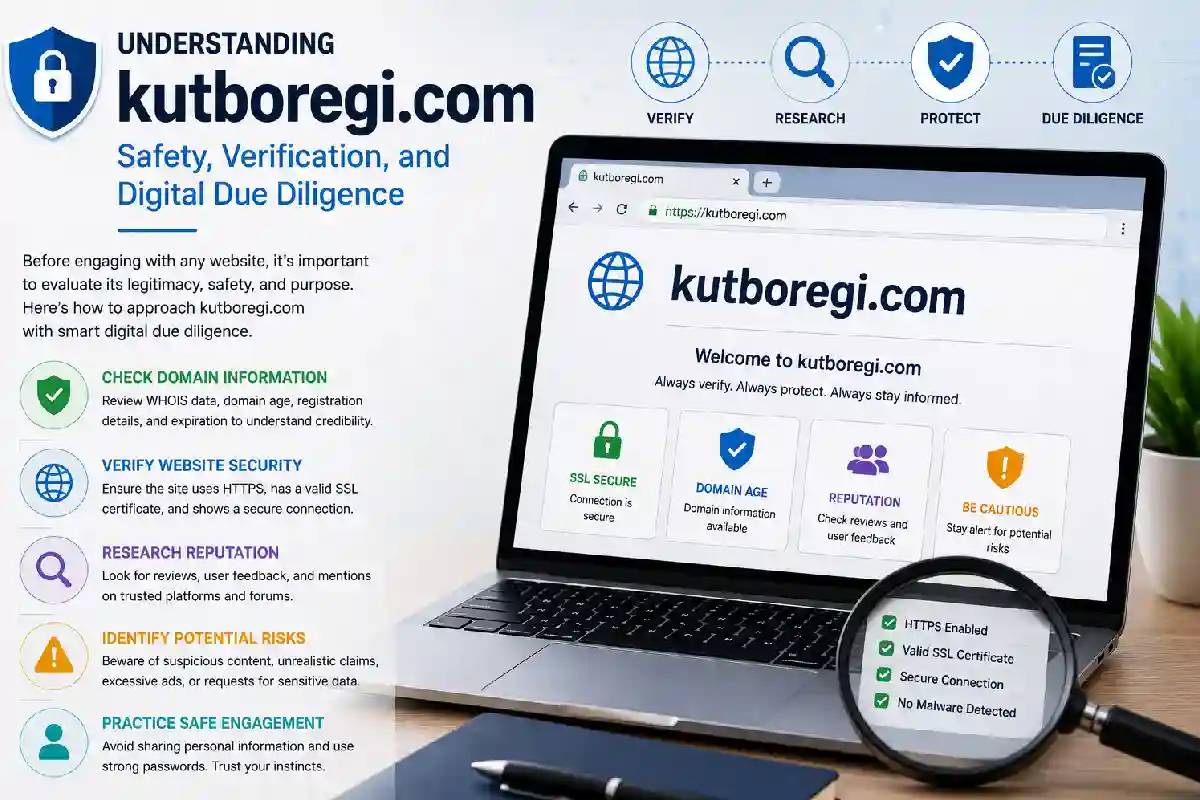
Introduction to Domain Uncertainty
Navigating the modern web frequently brings users into contact with unfamiliar addresses, URLs, and newly registered domains. When a specific string like kutboregi .com appears in search results, messaging apps, or referral links, it is entirely normal to question its origin, purpose, and safety profile. Established facts in cybersecurity indicate that many newly surfaced domains either serve niche purposes, act as personal landing pages, or require careful inspection before any personal data or credentials are shared.
As readers explore the digital ecosystem, maintaining a healthy degree of skepticism protects against potential online risks. This guide breaks down how to approach unfamiliar web addresses methodically, separating verified technical checks from speculative assumptions.
Evaluating Unfamiliar Web Domains
When investigating a specific destination such as kutboregi .com, analysts and tech-savvy users typically begin by assessing basic transparency indicators. Because comprehensive background information is not always publicly indexed for every small-scale domain, distinguishing between a benign placeholder page and a potentially deceptive site requires structured observation.
Key Indicators of Domain Identity
Domain characteristics provide initial clues about legitimacy. Legitimate organizations and structured web projects usually maintain transparent contact channels, consistent branding, and clear terms of service. Conversely, domains with high anonymity profiles or abrupt redirection patterns warrant heightened caution.
- HTTPS Implementation: Check if the connection uses valid Transport Layer Security (TLS/SSL). While encryption prevents eavesdropping between the browser and server, it does not automatically guarantee the trustworthiness of the site operator.
- Registrar Transparency: Public WHOIS databases sometimes display registration details. Privacy protection services often obscure individual owner details, which is a common and legal practice, but worth noting during risk assessment.
- Traffic and Footprint: Search engine indexing volume and mentions across reputable external platforms offer context on how long a domain has been active.
Comparison of Verification Approaches
Different methods yield varying levels of insight when verifying an unknown web property. The table below outlines standard verification approaches and their practical limitations.
| Verification Method | What It Checks | Practical Limitation |
|---|---|---|
| WHOIS Lookup | Domain registration date and registrar | Privacy services frequently mask owner identity. |
| Browser Security Warnings | Known malware or phishing blacklists | Newly created malicious sites may not yet be flagged. |
| Reputation Checkers | Community-reported threat data | Reliance on crowdsourced data can introduce false positives. |
Digital Due Diligence Framework
To safely evaluate any unknown portal, including kutboregi .com, adopting a step-by-step decision framework prevents rushed choices. Never input passwords, financial details, or personal identification data into a site until its operational intent is verified.
- Observe the URL: Confirm exact spelling. Typosquatting relies on minor spelling variations to mimic popular platforms.
- Inspect Content Quality: Look for broken links, placeholder text, generic stock imagery, or an absence of functional navigation menus.
- Review Browser Indicators: Modern browsers display security badges in the address bar. Click the certificate details to inspect issuer information.
- Consult Independent Security Tools: Run the URL through reputable domain analysis utilities to review historical safety reports.
Security Checklist and Best Practices
Implementing consistent digital hygiene habits safeguards devices and personal data against unforeseen risks. When interacting with unverified web environments, keep the following practical guidelines in mind:
- Avoid downloading executable files or applications from unverified sources.
- Use unique, complex passwords across every online service to limit exposure if a single site is compromised.
- Keep browser software and operating systems updated with the latest security patches.
- Exercise caution regarding unsolicited links received via email, chat applications, or social media channels.
Frequently Asked Questions
What should I do if I accidentally visited kutboregi .com?
Simply visiting a standard web page rarely compromises a secure device, provided your browser is up to date and you did not download files, grant browser permissions, or enter personal data. Close the browser tab and run a routine system scan if you notice unusual device behavior.
Are all newly registered domains unsafe?
No. New domains are registered daily by individuals, developers, and businesses launching fresh projects. However, because their history is sparse, they lack an established reputation, meaning users must exercise greater vigilance.
How can I verify if an unfamiliar web service is legitimate?
Look for verifiable physical addresses, clear customer support pathways, independent reviews from trusted technology publications, and secure payment processors if a transaction is involved.
Conclusion
Encountering unfamiliar web addresses like kutboregi .com highlights the importance of critical thinking in digital spaces. By combining methodical domain checks, structured due diligence, and cautious browsing habits, users can effectively navigate the web while minimizing security risks. Always prioritize digital safety and verify unfamiliar platforms before engaging with them.
Related Guides
Explore more useful resources related to this topic: