


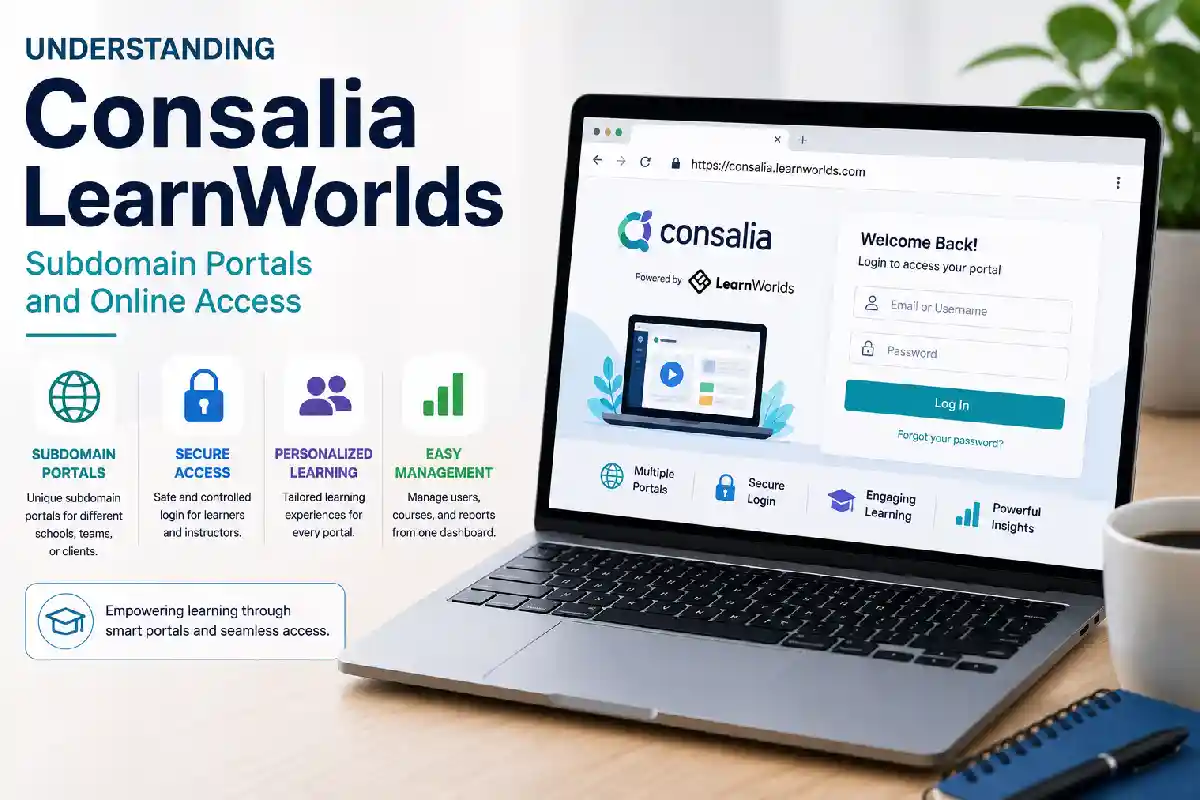
Overview of Specialized Learning Portals
In the modern digital ecosystem, organizations frequently utilize specialized Software-as-a-Service (SaaS) platforms to deliver training, professional development, and educational resources. A domain structured like consalia.learnworlds.com typically points to a dedicated white-label portal hosted on a third-party learning management infrastructure. For learners, understanding how these environments function helps ensure smooth navigation and secure interactions.
Platforms built on learning management software generally support video modules, downloadable reading materials, quizzes, and interactive assignments. When an organization sets up a dedicated portal, they manage user enrollment directly. Public search engines may index login pages, but active participation usually requires explicit credentials provided by the platform administrator or course coordinator.
Core Features of Cloud-Based Learning Environments
Online academies hosted on modular infrastructure share common architectural patterns designed to streamline content delivery. Recognizing these features helps users verify they are on the correct, official destination.
- Authentication Gateways: Secure login prompts requiring registered email addresses and passwords.
- Structured Curriculum: Sequential modules outlining lessons, modules, and milestones.
- Resource Repositories: Integrated spaces for supplementary PDF guides, worksheets, and recorded webinars.
- Progress Tracking: Automated indicators showing completion percentages for compliance or self-paced study.
Navigating Subdomain Access Safely
Accessing third-party subdomains requires basic digital hygiene. Because subdomains can occasionally be confused with phishing attempts or lookalike sites, users should always verify the exact URL structure before entering credentials or personal data.
When looking for consalia.learnworlds.com, the safest route is to use official links provided directly in welcome emails, corporate intranet pages, or verified communications from the course organizers. Avoid clicking unverified links found on random directory listings or social media comment sections.
Security Checklist for Portal Users
Before logging into any specialized educational environment, apply these practical verification steps:
- Check the address bar to ensure the protocol reads HTTPS and the domain matches the expected pattern exactly.
- Confirm the legitimacy of the portal through official organizational channels if you received the link via an unsolicited message.
- Use a strong, unique password and avoid reusing credentials from unrelated websites.
- Review browser permission prompts carefully if the training platform requests access to microphone, camera, or storage.
Platform Comparison and Infrastructure Context
To better understand how specialized portals operate compared to general websites, consider the following structural distinctions:
| Feature | Standard Website | Dedicated Learning Portal (e.g., consalia.learnworlds.com) |
|---|---|---|
| Primary Purpose | Public marketing and general information | Restricted educational delivery and training |
| Access Control | Open to all web visitors | Requires registration, invitation, or enrollment |
| Data Handling | Standard cookies and analytics | User progress, completion data, and profile management |
Frequently Asked Questions About Portal Access
Why am I unable to access consalia.learnworlds.com directly?
If the page fails to load or displays an error, the specific subdomain might be restricted, temporarily offline, or your network connection may be blocking the external host. Additionally, some portals hide public registration pages, meaning you must navigate through a specific invitation link.
How do I reset my password for the learning platform?
Most course portals feature a standard recovery link on the sign-in page labeled ‘Forgot Password’ or ‘Reset Password’. Clicking this prompts the system to send instructions to your registered email address. If no email arrives, contact your course administrator to verify which email address is on file.
Is it safe to save my login credentials in my browser?
Using a reputable password manager built into your browser or operating system is generally safe on personal devices. However, avoid saving credentials on shared computers in public libraries, co-working spaces, or university labs.
Conclusion
Navigating specialized training environments like consalia.learnworlds.com is straightforward when you rely on official communication channels and maintain standard digital security practices. By verifying URL structures, securing your login details, and understanding the scope of cloud-based educational portals, you can focus fully on your professional development and coursework.
Related Guides
Explore more useful resources related to this topic: