


Key Takeaways:
- SD-WAN enhances network agility and scalability, crucial for digital transformation.
- It offers cost-effective solutions by optimizing bandwidth and reducing reliance on expensive MPLS circuits.
- Integrating SD-WAN with cloud services improves application performance and user experience.
- Advanced security features in SD-WAN protect data across distributed networks.
Introduction to SD-WAN and Digital Transformation
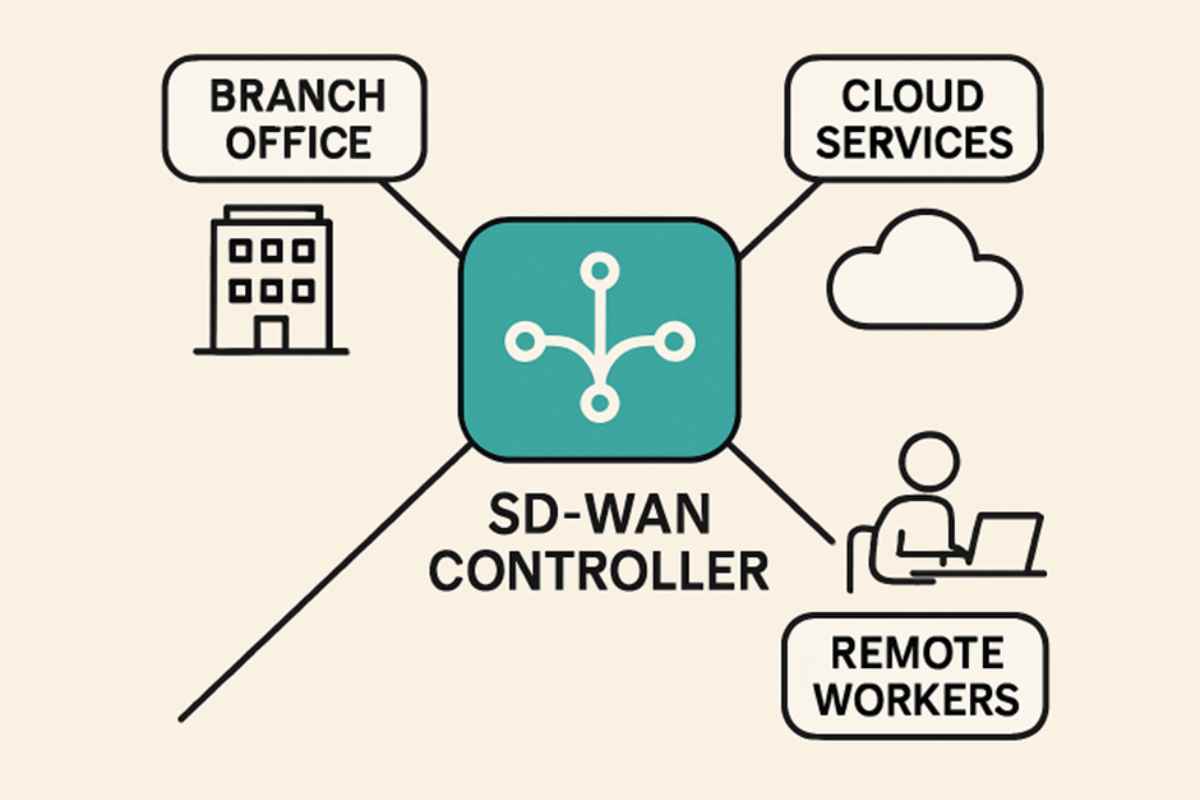
Staying competitive in today’s digital landscape means businesses must continually adapt to technological change while seeking efficiency, flexibility, and security. As organizations strive to keep pace with rapidly evolving market demands, Software-Defined Wide Area Networking (SD-WAN) is emerging as a transformative solution for network management. By separating network control from hardware, SD-WAN enables enterprises to centralize, automate, and optimize connectivity across multiple locations and platforms. Investing in managed SD WAN services can streamline this process, driving better business agility and digital outcomes.
Digital transformation is no longer a luxury but a necessity for organizations that want to thrive. Companies are looking to replace legacy networks with adaptable architectures that align with cloud adoption, remote work, and modern cybersecurity demands. SD-WAN plays a fundamental role in this transition by enabling seamless interactions between users, devices, data centers, and cloud environments.
Traditional networks, which often rely on fixed, hardware-bound infrastructure, create bottlenecks and inhibit agility. With SD-WAN, businesses can dynamically route traffic using policy-based guidance, integrating a range of transport methods such as broadband, LTE, and MPLS. This new paradigm ensures higher operational efficiency and responsiveness, supporting the imperative of digital transformation.
One of SD-WAN’s prime advantages is its scalability. As business locations multiply and the workforce becomes increasingly distributed, scaling centralized network management becomes critical. SD-WAN allows networks to be expanded or reconfigured quickly and cost-effectively, meeting ever-changing business needs.
Enhancing Network Agility and Scalability
One of the primary limitations of conventional WAN architectures is their rigidity. Networks traditionally required manual configuration on individual devices, making them difficult to scale and prone to inefficiencies. SD-WAN eliminates these bottlenecks through its software-defined architecture, enabling network administrators to deploy new branch offices or remote sites with minimal effort. This agility supports both sudden expansion and strategic scaling, providing a vital advantage in markets where speed and adaptability can define business success.
Organizations also benefit from centralized management dashboards offered by top SD-WAN vendors, making monitoring, troubleshooting, and configuration tasks far less time-consuming. This agility allows companies to shift resources or adapt policies instantly to comply with business rules, application priorities, or security requirements. As a result, even businesses with hundreds of sites can achieve a consistent, high-quality networking experience.
Cost-Effective Bandwidth Optimization
A significant challenge for legacy WAN models is their reliance on costly, proprietary MPLS circuits to ensure secure, reliable connectivity. SD-WAN solutions shift the paradigm by leveraging a mix of transport services, including high-speed internet and wireless options, alongside MPLS. Through intelligent traffic routing, SD-WAN systems analyze real-time data path conditions to direct application traffic over the most efficient and cost-effective route.
This strategy results in major reductions in total network expenditure, as routine and lower-priority traffic can be shifted away from high-cost paths. More importantly, critical business applications always receive the bandwidth and low-latency connectivity they require, improving productivity and user satisfaction.
Seamless Integration with Cloud Services
The movement of enterprise workloads to the cloud is one of the defining trends of modern IT. However, relying solely on internet connections for cloud access often means unpredictable performance and security vulnerabilities. SD-WAN addresses this by delivering secure, direct, and optimized connectivity to major cloud platforms. This ensures business-critical applications such as Office 365, Salesforce, and AWS-hosted workloads function seamlessly for users, regardless of their location.
With SD-WAN, businesses can offer remote workers and branch offices the same secure, responsive experience found in headquarters locations while simplifying cloud migration challenges. As applications and services proliferate in the cloud, the ability to prioritize traffic and ensure a consistently high-quality user experience becomes a critical component of successful digital transformation.
Advanced Security Features
Security remains a top concern for any organization embarking on digital transformation. Distributed environments can introduce new vulnerabilities, especially if sensitive data travels across less secure lines. SD-WAN solutions help address these challenges by embedding advanced security features directly into the network fabric. Capabilities such as strong encryption, integrated firewalls, secure web gateways, and intrusion prevention work together to defend data as it moves between locations or into the cloud.
These features are crucial for meeting regulatory compliance, protecting intellectual property, and maintaining customer trust. With cyber threats evolving rapidly, organizations need protection at every network edge. SD-WAN’s native security helps establish this crucial baseline, safeguarding the digital transformation journey from the start.
Real-World Applications of SD-WAN
Practical deployments illustrate how SD-WAN is being used to address real business challenges across sectors. For example, a global manufacturing enterprise successfully connected over 50 branch locations with SD-WAN, optimizing bandwidth costs and boosting application speed. Healthcare providers have adopted SD-WAN for secure cloud access, enabling instant retrieval of patient records across multiple clinics while maintaining stringent data privacy standards.
Retail organizations use SD-WAN to enhance customer experiences by ensuring reliable access to point-of-sale systems and digital platforms, even in remote stores. Educational institutions are leveraging this technology to deliver distance learning and cloud applications, supporting digital education goals on a wide scale.
Future Trends in SD-WAN
The SD-WAN market is set for massive expansion over the next few years, driven in large part by the convergence of networking and artificial intelligence. As highlighted in a recent Technavio report, global SD-WAN spending is projected to increase by USD 13.66 billion from 2024 to 2028, driven by AI integration that enables more intelligent, adaptable network solutions.
As SD-WAN evolves, expect enhanced automation for network troubleshooting, smarter traffic analytics, and seamless multi-cloud support. These advancements will only accelerate digital transformation, supporting business innovation and operational resilience into the future.
Final Thoughts
SD-WAN technology represents a cornerstone for businesses seeking to embrace digital transformation. By delivering agility, cost savings, cloud readiness, and security, SD-WAN empowers organizations to keep pace with rapid change and technological growth. Companies investing in robust SD-WAN solutions are well-positioned to build high-performing, scalable digital ecosystems, ensuring long-term success in an increasingly complex digital world.