


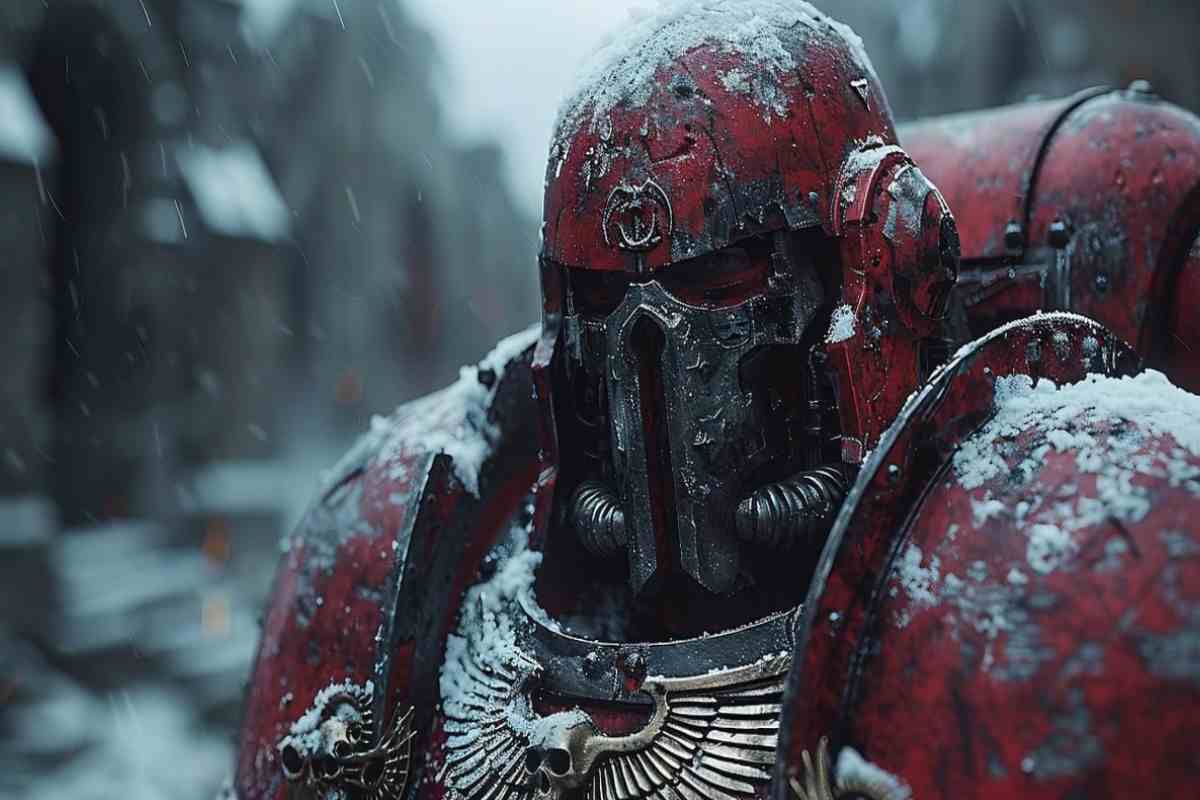
Artificial intelligence has been a game-changer in various industries, and video game development is no exception. From procedural content generation to intelligent NPCs, AI has played a crucial role in enhancing gaming experiences. Now, AI-generated art is making a significant impact on game design, offering developers and artists new ways to create immersive worlds. As AI technology advances, it is becoming an indispensable tool in gaming, streamlining workflows and expanding creative possibilities.
AI Revolutionizing Game Development
Video game development has evolved dramatically with the integration of AI. Developers are now leveraging AI to automate complex tasks, refine character animations, and enhance storytelling. One of the most promising applications of AI in this field is the use of generative AI, which allows artists and designers to create high-quality visuals with minimal effort. This technology enables rapid prototyping, helping game developers bring their visions to life more efficiently.
For busy designers, AI acts as the perfect partner by reducing the workload associated with concept art and environmental design. Instead of spending countless hours sketching ideas, artists can use AI-powered tools to generate stunning visuals based on text prompts. This not only speeds up the creative process but also ensures consistency and quality in-game aesthetics.
The Role of Generative AI in Game Art
Generative AI has become a cornerstone of modern game design, allowing developers to create expansive worlds, unique character designs, and realistic textures with minimal manual effort. The technology can analyze existing art styles and generate new visuals that align with a game’s theme. This is particularly useful for indie developers and small studios that may not have the resources to hire large teams of artists.
One of the most exciting aspects of generative AI is its ability to transform simple ideas into detailed artwork. By inputting a few descriptive words, designers can generate intricate landscapes, character portraits, and even entire game assets. This capability is changing the way art is created in the gaming industry, making high-quality visuals accessible to all developers, regardless of their artistic skills.
Creating High-Quality Art with AI
AI-powered tools are making it easier than ever to produce game art. By using an AI art generator, for example, from platforms such as invideo, developers can generate high-quality visuals tailored to their specific needs. These tools use deep learning models to understand artistic styles, textures, and color schemes, producing results that rival traditional digital art.
AI-generated art is not just about automation: it’s about enhancing creativity. Artists can use AI-generated assets as a foundation for their work, refining and adding personal touches to bring their vision to life. This hybrid approach allows for greater flexibility and efficiency in game development, ensuring that artists can focus on refining details rather than starting from scratch.
Additionally, AI-generated art provides a consistent aesthetic across different aspects of a game. Whether it’s character design, environment creation, or UI elements, AI ensures that every visual component aligns with the game’s overall theme. This helps maintain immersion and enhances the player’s experience.
AI and Gaming Themes: Transforming Visual Storytelling
AI is also revolutionizing visual storytelling in games. With AI-generated art, developers can quickly create thematic environments that adapt to different gameplay scenarios. Whether designing a cyberpunk cityscape or a medieval fantasy world, AI can generate intricate details that enhance the storytelling experience.
One of the key benefits of AI in gaming is its ability to adapt to player choices. Some advanced AI systems can modify in-game environments and character appearances based on player decisions, creating a more dynamic and personalized gaming experience. This level of adaptability was once a time-consuming process, but AI now makes it more efficient and scalable.
AI Video Generation in Gaming Content Creation
Beyond static imagery, AI is also being used to generate video content for games. Developers are now utilizing AI video generator apps to create cutscenes, promotional videos, and even in-game cinematics. These apps allow for seamless animation creation, reducing the time and effort required to produce high-quality game footage. By integrating AI into the video production pipeline, developers can focus on refining storytelling and gameplay mechanics rather than spending excessive time on animation rendering.
The Future of AI-Generated Art in Gaming
AI’s influence on the gaming sector will only increase as the technology develops. AI-generated art is not just a trend; it is becoming a standard practice in game development. Future developments in AI will likely bring even more sophisticated tools that offer greater customization and control over the artistic process.
AI is also expected to play a larger role in procedural content generation. In the future, entire game worlds may be dynamically created based on AI algorithms, ensuring that no two players have the same experience. This could revolutionize open-world gaming, offering players endless possibilities and truly immersive experiences.
Furthermore, AI-driven personalization is set to change how games interact with players. By analyzing player behavior, AI can generate customized visuals, quests, and storylines, making each playthrough unique. This level of personalization will redefine gaming as an interactive art form, allowing players to influence the game’s world like never before.
Conclusion
The integration of AI-generated art in the gaming industry is opening up new creative possibilities for developers and artists alike. With the help of an AI art generator, designers can create stunning visuals, streamline workflows, and enhance storytelling without the constraints of traditional methods. As AI technology evolves, it will continue to transform how games are designed, making high-quality art more accessible and adaptable. The future of game development is undoubtedly AI-driven, and its influence will only continue to grow, shaping the next generation of immersive gaming experiences.