


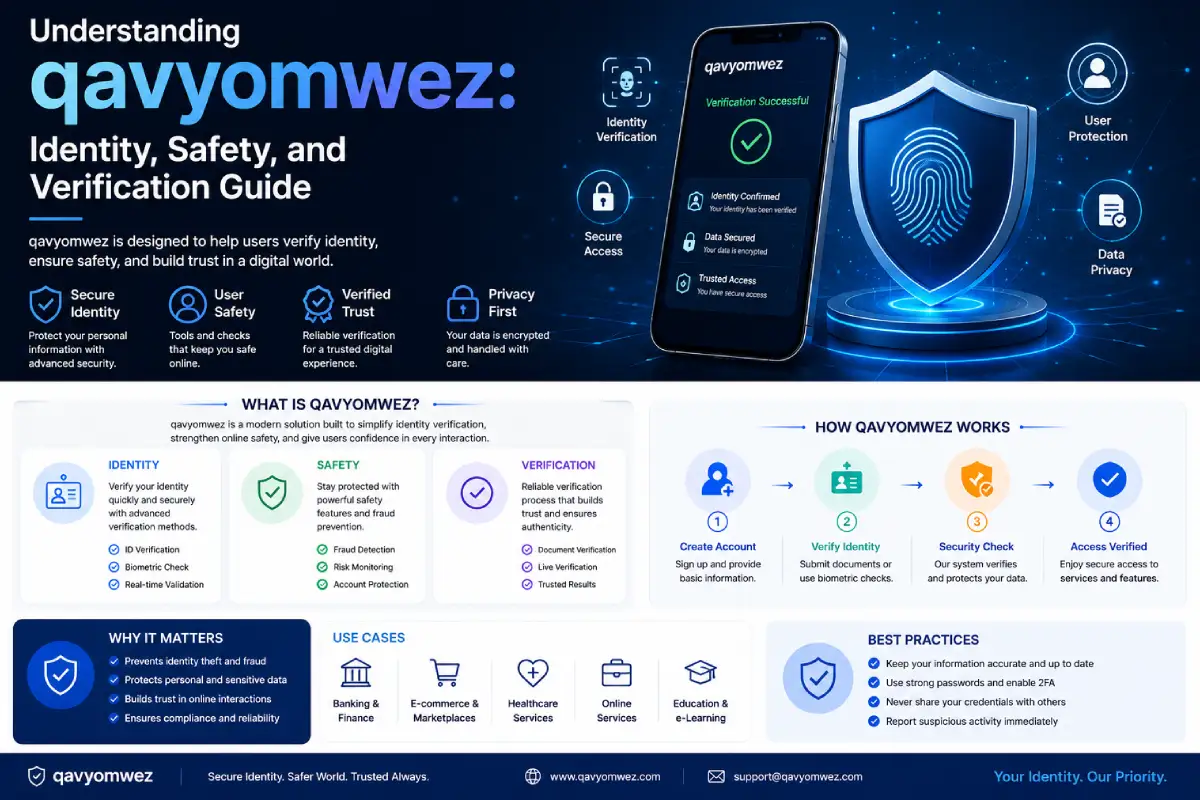
Introduction to Digital Ambiguity
Venturing across the modern web often introduces us to unfamiliar terms, strange applications, and newly generated web addresses that seem to appear out of nowhere. When an unusual identifier like qavyomwez pops up in your search results, system logs, or configuration files, it is completely normal to feel a bit uneasy. Gaining clarity requires a methodical approach to digital investigation, where prioritizing device security always beats blind trust.
Our goal at Technologyify is to help you separate hard facts from internet speculation. Strange labels typically originate from automated backend scripts, temporary placeholder domains, niche software modules, or randomized string generators. Before you interact with any unknown portal, script, or file, establishing baseline safety protocols is essential to protect your personal privacy.
Evaluating Unfamiliar Digital Entities
When you encounter an unknown term or platform, context dictates the best way to handle the investigation. A label found buried deep inside a mobile application package differs fundamentally from one discovered in your browser’s address bar or a desktop registry entry. Understanding where you found the source environment provides vital clues about its origin and potential purpose.
You must also stay mindful of identity uncertainty. Many obscure labels carry zero official documentation, public registry presence, or corporate backing. Consequently, telling the difference between a legitimate, intentional service and an arbitrary alphanumeric string like qavyomwez takes careful observation.
Contextual Analysis Checklist
Before taking any action regarding these kinds of ambiguous identifiers, run through this practical checklist to determine the most appropriate response:
- Source Verification: Where did you actually encounter this term? Document the exact application, file path, or URL.
- Search Consistency: Check whether search engines index the term alongside reputable documentation or strictly within generic spam directories.
- System Impact: Determine if sudden performance drops, high storage usage, or strange network activity correlates with the appearance of the term.
- Official Portals: If the term relates to a software package or download, always seek out the official developer route rather than third-party mirrors.
Security Risks and Permission Checks
Unidentified digital elements often carry inherent permission risks, particularly if they manifest as downloadable utilities, browser extensions, or mobile applications. Clicking through default prompts without reading permission requests can easily expose sensitive user data or device resources to unnecessary exposure.
When evaluating potential risks, categorizing common threat vectors and indicators of concern helps clarify the situation. The table below outlines standard evaluation parameters for unfamiliar software or web entities.
| Evaluation Area | What to Check | Potential Risk Indicator |
|---|---|---|
| Digital Signatures | Developer certificates and code signing status | Unsigned or recently revoked publisher certificates |
| Network Requests | Outbound connections and data transmission destinations | Unsolicited communication with unknown remote servers |
| Permission Scope | Requested system access (camera, storage, contacts) | Excessive permissions disproportionate to core utility |
| Behavioral Stability | Resource consumption and background persistence | High CPU usage or resistance to standard closure methods |
A Practical Verification Framework
Applying a structured decision framework prevents hasty actions when encountering ambiguous entities. Rather than relying on guesswork, follow a repeatable sequence to verify safety and decide whether you should retain, isolate, or remove the associated item.
Step-by-Step Action Plan
- Isolate the Environment: Disconnect your device from active networks if you suspect suspicious background behavior or unauthorized modifications.
- Perform Static Analysis: Scan files or directory paths using trusted, up-to-date endpoint security solutions without executing unknown binaries.
- Consult Community Repositories: Review developer forums, security bulletins, and tech discussion boards to see if other users have identified the term.
- Execute Safe Remediation: If an unknown item cannot be verified or serves no essential function, remove or quarantine it according to standard operating system procedures.
Frequently Asked Questions
What should I do if I find qavyomwez on my device?
Do not panic or rush into complex removal procedures. Simply document where you saw the term, run a standard malware scan, and check if it corresponds to a legitimate application you installed recently.
Are all unfamiliar digital terms malicious?
No. Many obscure identifiers represent internal system caches, temporary installation folders, or randomized tracking tokens that pose zero security threat to your system.
How can I verify if an official portal is authentic?
Check the domain spelling carefully, look for valid HTTPS security certificates, and cross-reference the publisher through independent software directories rather than clicking promotional ads.
Conclusion
Encountering unfamiliar elements such as qavyomwez highlights the sheer importance of digital literacy and cautious navigation across the web. By maintaining healthy skepticism toward unverified sources, conducting systematic permission checks, and adhering to strict privacy guidelines, you can safeguard your devices effectively. When doubt persists, opting for isolation and removal remains the safest course of action.
Related Guides
Explore more useful resources related to this topic: