


For manufacturers operating in mature markets, growth no longer depends on doing more of the same. Success comes from the ability to pivot. Entering a new industry vertical or capturing a niche product category requires one foundational capability: the ability to move quickly without rebuilding infrastructure from scratch.
This is where versatile banding technology is emerging as a critical tool for market diversification. Once viewed as a single-sector packaging solution, these systems now enable manufacturers to cross industry lines and serve multiple verticals from a single production environment.
How Banding Technology Enables Cross-Industry Entry
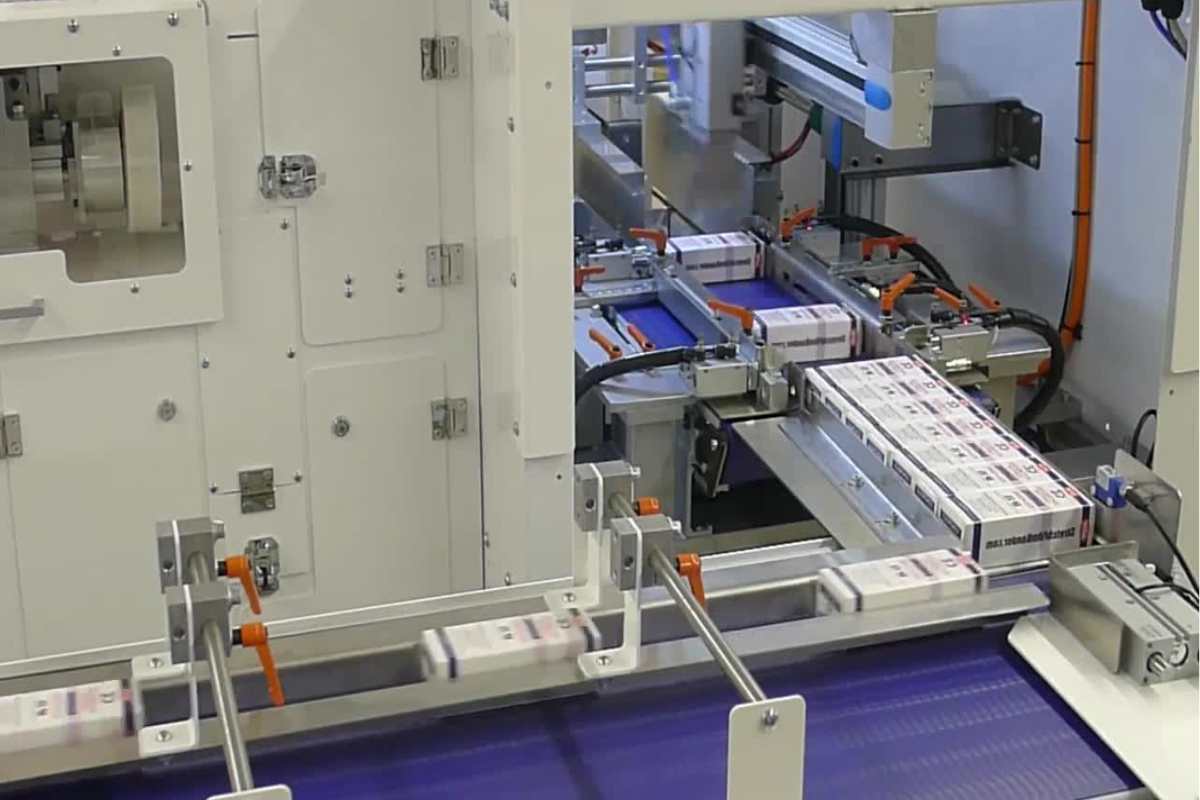
At its core, banding involves applying a narrow strip of material around a product to secure, label, or seal it. However, the engineering behind modern banding machines is what makes them uniquely suited to high-tech manufacturing:
- Variable Line Speeds: Systems maintain consistent tension across different product sizes automatically.
- Integrated Printing: On-demand printing of lot numbers and regulatory text eliminates the need for separate labeling equipment.
- Material Diversity: Support for everything from sustainable paper to high-barrier pharmaceutical films.
This material flexibility allows a manufacturer to serve a pharmaceutical client on one shift and a specialty food retailer on the next without expensive, time-consuming reconfigurations.
The Importance of Flexibility in Market Diversification
The traditional barrier to entering a new industry was rarely a lack of ambition—it was a lack of infrastructure. Historically, a producer targeting pharmaceutical channels faced the prospect of acquiring entirely new equipment lines.
Automated packaging technology is changing these economics. By using platforms that handle varying materials and compliance formats within a single system, businesses can remove the infrastructure barriers that once kept them locked within a single vertical.
Key Industry Applications
1. Breaking Into the Pharmaceutical Sector
The pharmaceutical sector is often difficult to enter due to strict compliance requirements. However, versatile technology makes this entry more achievable for operations that meet Good Manufacturing Practice (GMP) standards. Leading platforms incorporate tool-free changeover and stainless steel contact surfaces, meeting regulatory expectations without the need for a dedicated facility.
2. Growth in Specialty Food and Retail
Consumer demand for sustainable packaging has created strong commercial momentum for banded products. Systems designed for food environments operate at high throughput rates, allowing for paper and compostable film alternatives to plastic while maintaining high shelf appeal.
3. Additional Niche Markets
Beyond food and pharma, versatile technology is being deployed across a wide spectrum of industries, from laundry and textile bundling to medical device packaging. Understanding how to communicate value across these sectors is key—while one buyer focuses on throughput, another requires strict validation documentation.
Building a Strategy Around Smart Infrastructure
The most effective approach to diversification is not to acquire equipment speculatively, but to identify target verticals with clear demand and validate that a single platform can serve them.
Forward-thinking manufacturers are increasingly pairing their hardware with AI-driven automation to optimize how they reach and convert buyers across different verticals. While the equipment creates the operational capability, intelligent systems compress the time between market entry and revenue generation. Consequently, businesses that combine versatile hardware with these systems see a much faster return on investment.
Activating Long-Term Growth
The manufacturers who will lead in the next decade are those who build the operational flexibility to serve many markets. Versatile banding technology has proven to be more than a packaging solution; it is a market access strategy. By removing the infrastructure barriers that once limited cross-industry growth, businesses of all sizes can now compete in new niches and grow revenue from the ground up.