


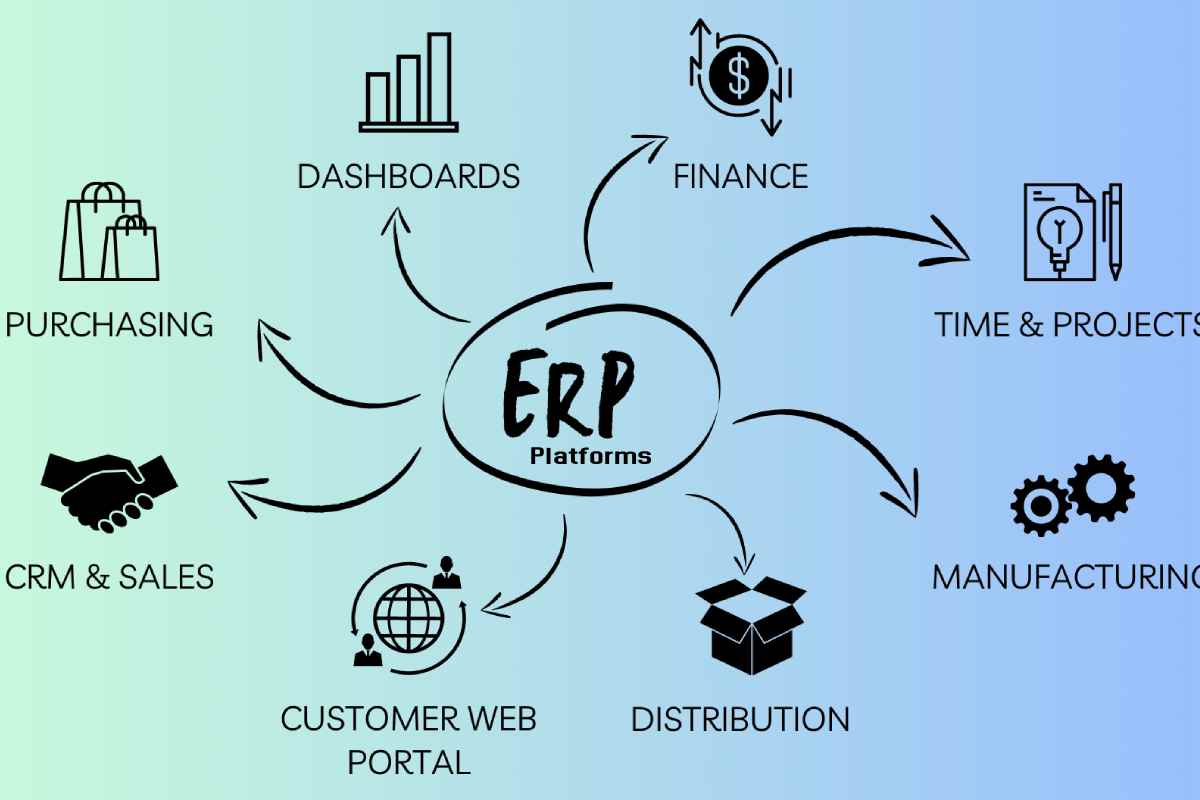
ERP Platforms: Enterprise resource planning systems were once the backbone of large organizations. Finance, procurement, HR—everything flowed through a single, centralized platform. For years, that model made sense.
But today? The cracks are hard to ignore.
CFOs and IT leaders are asking tougher questions. Why are upgrades so painful and does it take months—or years—to implement changes? Why are costs still rising while flexibility stays limited?
The answers often point to one thing: legacy ERP systems are struggling to keep up with how businesses actually operate today.
The Limitations of Legacy ERP Systems
Rigidity That Slows Everything Down
Traditional ERP platforms were built for stability, not agility. That worked when business models were predictable. Now, companies pivot frequently—new revenue streams, new compliance rules, new customer expectations.
Legacy ERP systems don’t adapt quickly.
Even small changes can trigger:
- Long development cycles
- Expensive customization projects
- System-wide testing requirements
A simple reporting tweak can take weeks. A structural change? Months.
And that delay has consequences.
High Costs That Don’t Go Away
ERP systems are often sold as long-term investments. But the reality is more complex.
Costs don’t stop after implementation. They continue through:
- Licensing fees
- Maintenance contracts
- Infrastructure expenses
- External consultants
According to McKinsey & Company, organizations can spend up to 70% of their IT budgets maintaining legacy systems rather than building new capabilities.
Seventy percent.
That leaves very little room for innovation.
Implementation Cycles That Drag On
ERP rollouts are notorious for delays. What starts as a 12-month project can easily stretch into multiple years.
And even then, success isn’t guaranteed.
According to Gartner, by 2027, more than 70% of ERP initiatives will fail to fully meet their original business goals. Up to 25% may fail entirely.
That’s a significant risk for any organization making large capital investments.
Aging Technology and Security Risks
Many ERP systems in use today were designed decades ago.
In fact, 70% of Fortune 500 companies still rely on software that is more than 20 years old.
That creates problems:
- Limited scalability
- Poor integration with newer tools
- Increased vulnerability to security threats
According to Gartner, 59% of enterprise applications face technical or business-fit issues. Around 40% are considered obsolete or nearing end-of-life.
Old systems don’t just slow you down—they expose you.
The Rise of Modular, Cloud-Based Finance Stacks
So if legacy ERP systems aren’t keeping pace, what’s replacing them?
Not a single monolithic system.
Instead, companies are adopting modular finance stacks—collections of specialized tools that integrate with each other.
Think of it as building a system piece by piece.
What Is a Modular Finance Stack?
A modular finance stack consists of:
- A core general ledger
- Specialized tools for billing, revenue recognition, and reporting
- Integration layers that connect everything together
Each component serves a focused purpose. Companies can swap or upgrade parts without disrupting the entire system.
This approach offers something legacy ERP systems struggle with: flexibility.
Why Companies Are Exploring Alternatives
More organizations are now evaluating options like accounting software beyond NetSuite to break away from rigid ERP environments.
The goal isn’t to abandon structure—it’s to gain control.
Control over:
- Costs
- Implementation timelines
- Feature updates
- Integration capabilities
And most importantly, control over how systems evolve as the business grows.
Benefits of Modular Platforms
Faster Deployment
Modular systems can be implemented in stages.
Instead of a multi-year rollout, companies can:
- Launch a core system first
- Add functionality over time
- Test and refine along the way
This reduces risk and allows teams to see value sooner.
Lower Total Cost of Ownership
With modular platforms, companies pay for what they actually use.
There’s no need to invest heavily upfront in features that may not be relevant.
Costs become more predictable:
- Subscription-based pricing
- Reduced reliance on consultants
- Lower infrastructure overhead
It’s not just cheaper—it’s more transparent.
Better Integration with Existing Tools
Modern finance teams rely on a wide range of tools:
- CRM platforms
- Data analytics systems
- Payment processors
Legacy ERP systems often struggle to connect with these tools.
Modular platforms, on the other hand, are designed for integration. APIs make it easier to connect systems and share data in real time.
That means fewer workarounds—and fewer headaches.
Improved User Experience
Let’s be honest.
Many legacy ERP interfaces feel outdated.
Training new employees can take weeks. Even experienced users can struggle with complex workflows.
Modular platforms tend to prioritize usability:
- Cleaner interfaces
- Intuitive navigation
- Role-based dashboards
The result? Teams spend less time figuring out the system and more time doing actual work.
Migration Considerations: What Companies Need to Think About
Switching away from a legacy ERP system isn’t simple. It requires planning, coordination, and careful decision-making.
Here’s what organizations should keep in mind.
Data Migration Is a Major Task
ERP systems hold years—sometimes decades—of data.
Moving that data to a new system involves:
- Cleaning and validating records
- Mapping data structures
- Testing for accuracy
Mistakes here can create serious issues down the line.
So yes, it takes time. But it’s necessary.
Integration Strategy Matters
A modular approach depends heavily on integration.
Companies need to decide:
- Which tools will be part of the stack
- How those tools will communicate
- What data flows between systems
Without a clear plan, the benefits of modularity can quickly disappear.
Change Management Can’t Be Ignored
Technology changes are also people changes.
Employees need to:
- Learn new systems
- Adjust workflows
- Trust the new setup
Communication and training are key. Without them, adoption will lag.
Phased vs. Full Replacement
Some organizations choose a phased approach—replacing parts of the ERP system over time.
Others opt for a full replacement.
There’s no one-size-fits-all answer.
A phased approach reduces risk but may extend timelines. A full replacement is faster but requires more coordination upfront.
The Future of Enterprise Finance Architecture
Where is all of this heading?
The shift away from legacy ERP systems isn’t temporary. It reflects a deeper change in how companies think about technology.
Composable Systems Are Gaining Ground
Instead of relying on a single vendor, companies are building ecosystems of tools.
Each tool is selected based on:
- Functionality
- Performance
- Compatibility
This composable approach allows organizations to adapt more quickly as needs change.
Investment Trends Support the Shift
The ERP market isn’t shrinking—but it is evolving.
According to industry research, the global ERP market is expected to reach $78.4 billion by 2026 and grow to around $96 billion by 2032.
At the same time, the legacy modernization market reached nearly $25 billion in 2025, showing strong demand for alternatives.
Companies are still investing—but they’re investing differently.
IT Priorities Are Changing
In the 2024 CIO survey by Gartner, 47% of respondents identified application modernization as a top priority.
That’s nearly half of all CIOs.
And it aligns with a broader trend: moving away from maintaining old systems and toward building new capabilities.
Conclusion
Legacy ERP systems played a vital role in shaping enterprise operations. They brought structure, consistency, and control.
But times have changed.
Today’s organizations need systems that can adapt quickly, integrate easily, and scale without excessive cost. Legacy platforms, with their rigidity and high maintenance demands, often fall short.
That’s why companies are exploring modular, cloud-based finance stacks. These systems offer flexibility, faster deployment, and better alignment with how businesses operate now.
Still, the shift isn’t without challenges. Migration requires careful planning, strong integration strategies, and thoughtful change management.
But for many organizations, the trade-off is worth it.
Less friction. More control. Better alignment with the future of enterprise finance.
And that’s what’s driving the move beyond legacy ERP.